










Logistics solutions development
Custom logistics software helps teams track shipments, coordinate daily operations, and reduce manual work.
WebMagic builds the systems that keep your operations moving
We build software around your operations, helping your team reduce manual work and adapt as the business changes.
We build, connect, and improve the systems your business relies on.
Custom logistics software helps teams track shipments, coordinate daily operations, and reduce manual work.
Inventory and order information stays up to date as orders move from processing to fulfillment.
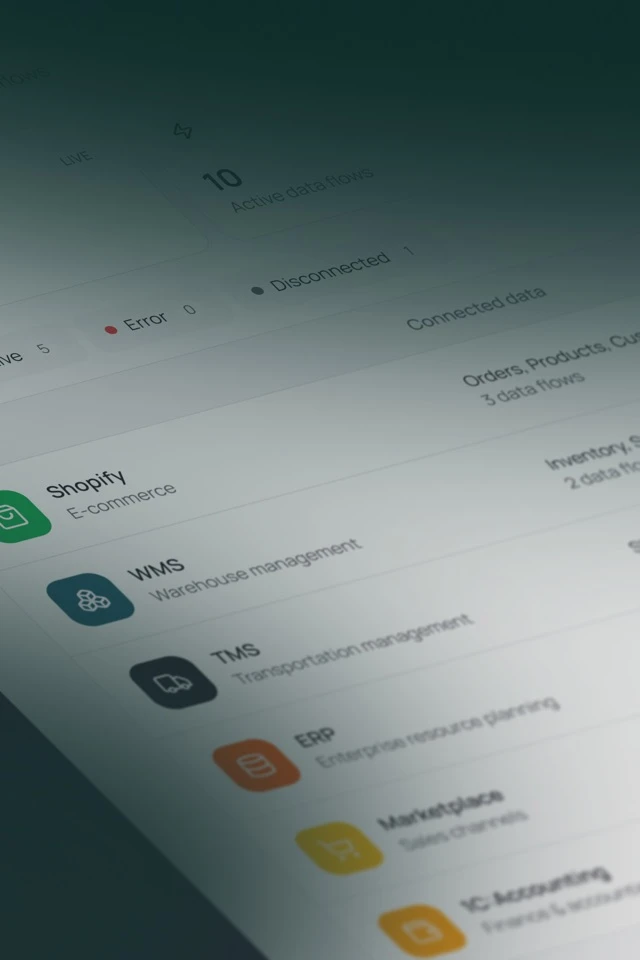
We connect your business systems so information flows between them without repeated manual entry.
Automated workflows direct tasks to the right people and reduce the risk of missed steps.
Examples of custom software that improves workflows, connects systems, and supports day-to-day operations.
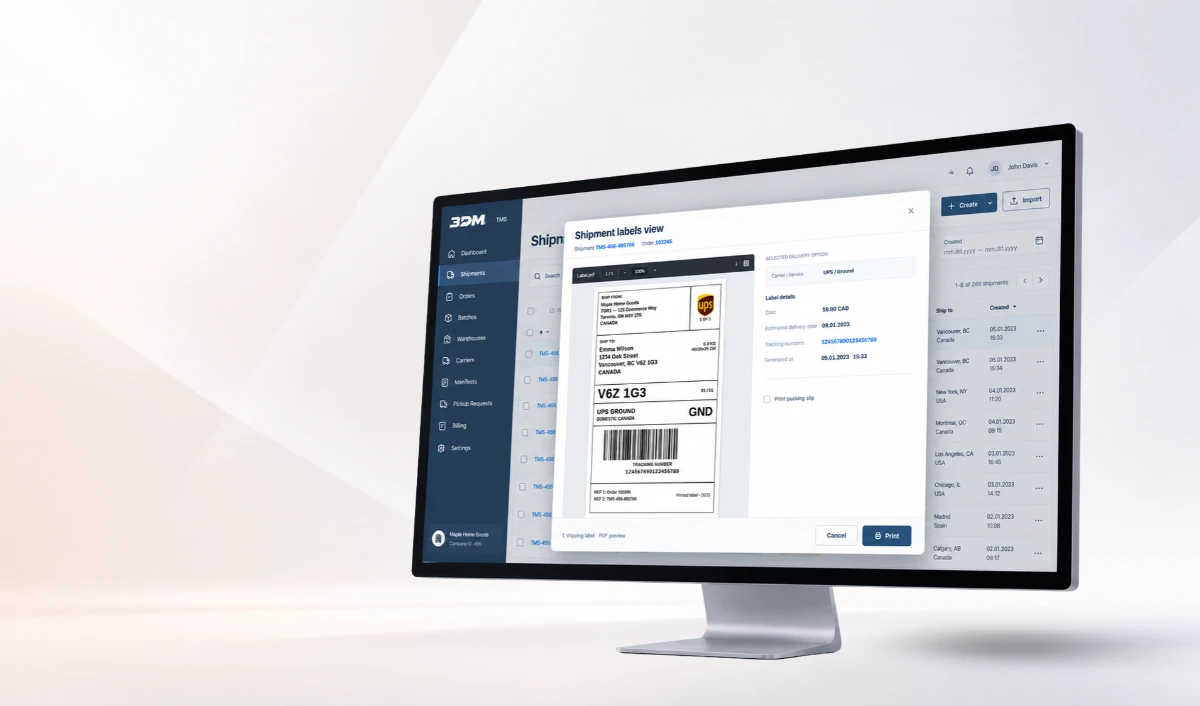
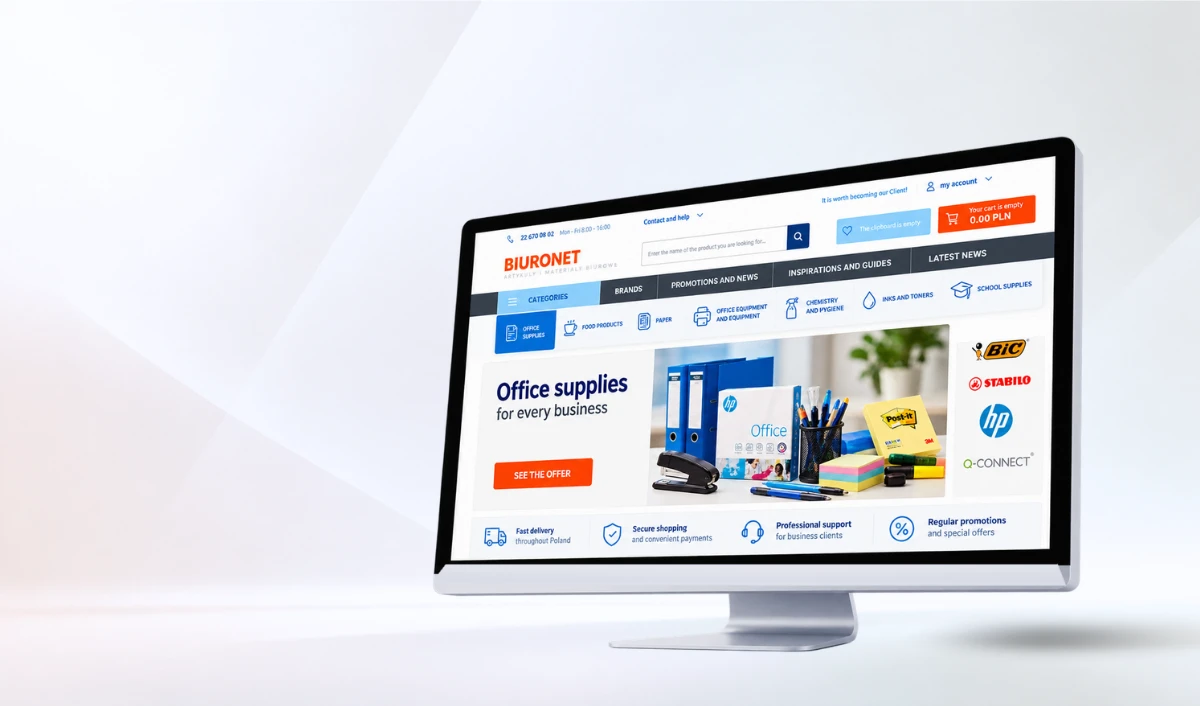
A web-based TMS that combined multi-carrier workflows and eCommerce order data so teams could manage dispatch and shipment tracking in one place.
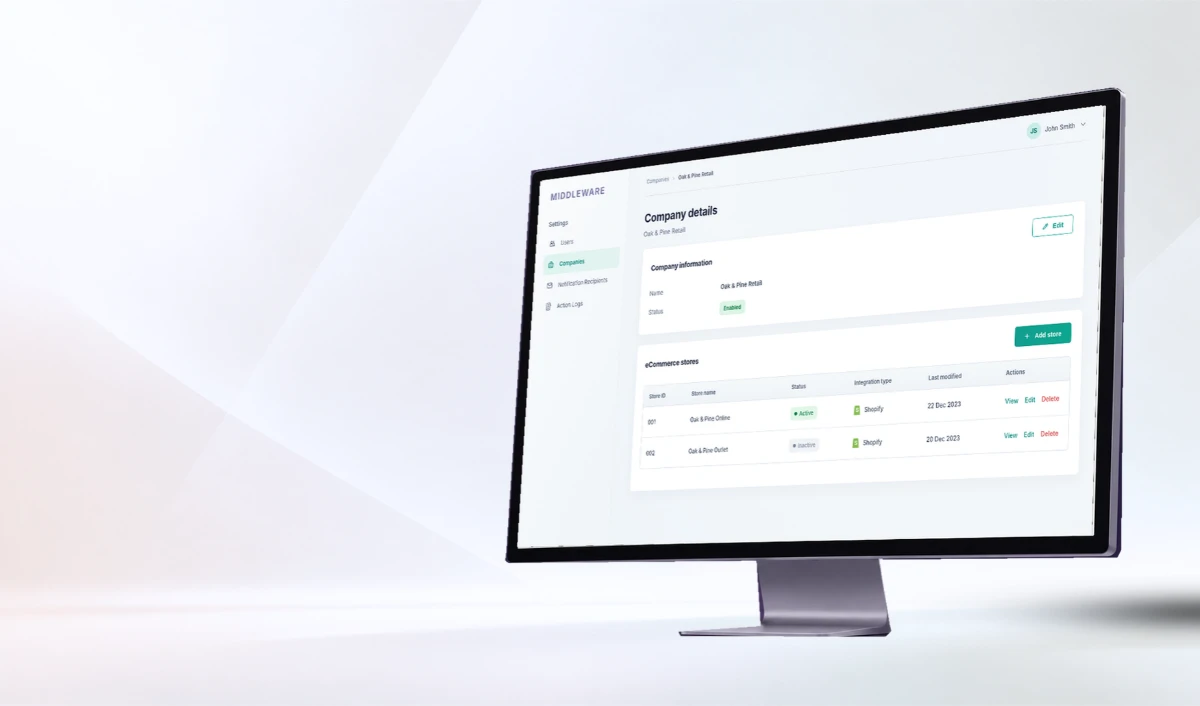
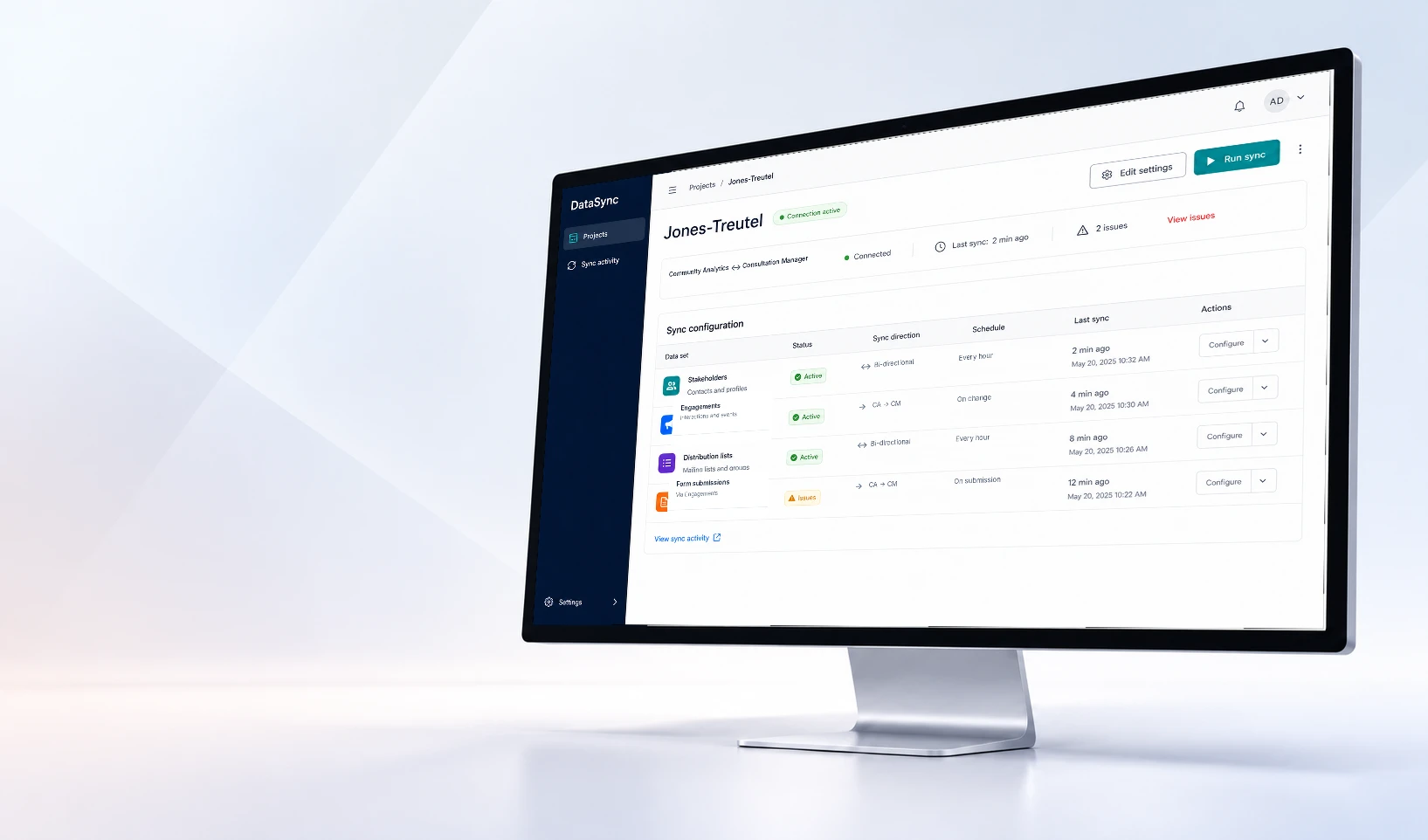
The middleware synchronized warehouse and eCommerce data, helping teams reduce stock and order mismatches across connected systems.
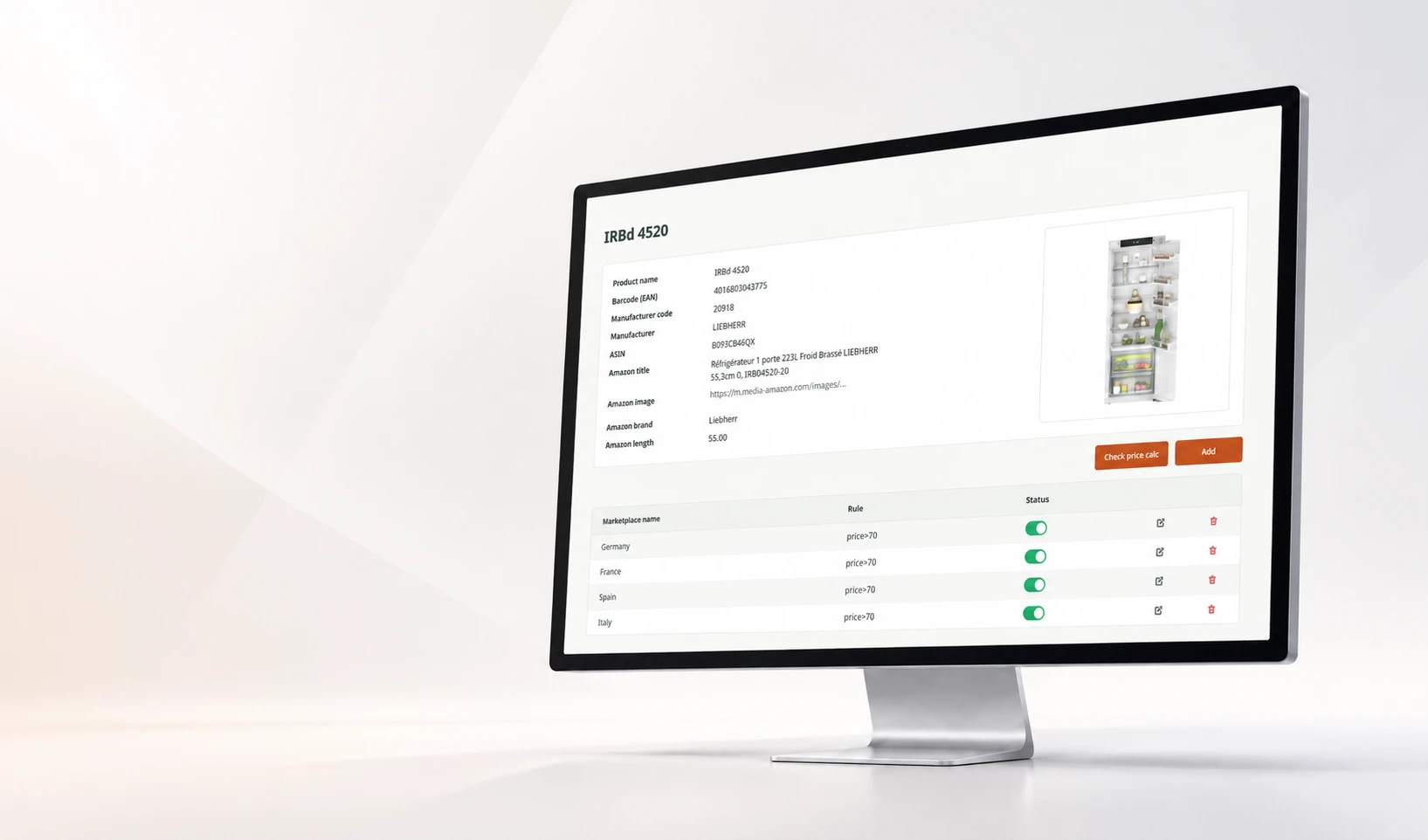
The platform connected supplier and marketplace processes so teams could manage sales and stock updates with less manual input.
We rebuilt the marketplace platform and its admin workflows, giving the team a more reliable system for managing daily operations.
The system synchronized records between platforms, using logging and conflict handling to flag mismatches and reduce manual review.

























A project manager and business analyst coordinate the work and keep priorities clear. Each week, you receive a summary of completed work, current risks, and next steps.
We define what the system needs to do, divide the work into clear stages, and agree how each stage will be reviewed. We test the software before each release and follow the security requirements set for your project.
After final delivery, a 30-day warranty covers defects in the work we agreed to deliver. Separate support plans are available for monitoring, maintenance, and fixes.
We record key project decisions and agreed changes. We also document how the system works, connects with other systems, and is set up, so your team can understand and maintain it.
You can access a test version during development, and after release, the live system runs in your environment. Where possible, third-party services are set up under your company accounts, and at project completion, you receive the source code and the rights set out in the agreement.
The AI assistant lets you review ideas and leave feedback on specific screens and flows. Your approved decisions and the reasoning behind them guide our team during implementation.
Bring an idea, an existing product, or work already underway into one place, where requirements, decisions and feedback stay together.
Highlight specific elements and describe what should change on the relevant screen or flow.
See how a proposed change may affect users, business rules, and other parts of the product.
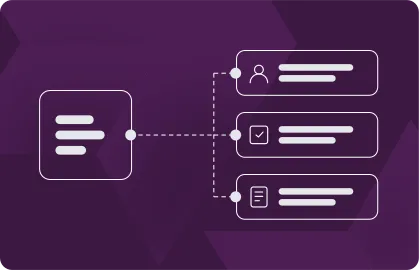
We review the technical impact, implement the agreed changes, and test the result against what was approved.
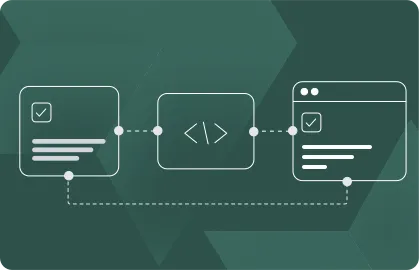
Choose a development plan to build or improve software, or a support plan for monitoring, maintenance, and fixes.

“WebMagic helped turn a complex product idea into a practical teaching tool used in real lessons.”Read case study

“WebMagic divided a complex legacy-system migration into clear stages, making data easier to search and manage.”Read case study

“WebMagic provided technical guidance and clear reporting throughout the project, helping move the idea from planning into implementation.”Read case study

“WebMagic brought multiple tools into one workflow, giving the team a clearer view of operational data and project progress.”Read case study

As logistics, e-commerce, and manufacturing networks expand across ERPs, warehouses, marketplaces, carriers, and trading partners, direct connectors can shift from a useful shortcut into a hidden operating risk. The…
 Olha Kovalchuk

Compare monoliths and microservices by cost, risk, scalability, and logistics needs to choose wisely
 WebMagic Team