

Built around real operations
We start by understanding how your team manages freight, tracks shipments, coordinates warehouse activities, and handles exceptions.
We develop custom systems that reduce manual work, improve shipment visibility, and connect freight, warehouse, reporting, and customer-facing workflows.
We build custom logistics systems, dashboards, and internal tools when standard software cannot support the way your team works.

We develop software around how your team manages freight bookings, dispatch, shipments, and transport operations.

Tracking systems show shipment progress and give teams and customers a clearer view of current status and delays.

Connecting logistics and warehouse workflows makes stock movement, fulfillment handoffs, and operational updates easier to follow.

Alerts and exception workflows help teams spot issues sooner, while reports and dashboards show where attention is needed.

Portals give customers, partners, and internal teams access to the information they need for their part of the workflow.

We start by understanding how your team manages freight, tracks shipments, coordinates warehouse activities, and handles exceptions.

We account for your business rules and edge cases instead of forcing your operations into a standard setup.
When workflows depend on the same information, we connect data between them to reduce repeated updates and manual coordination.

We plan for future updates and maintenance from the start so the software can adapt as your operations change.
See how custom systems help logistics teams improve shipment visibility, coordinate workflows, and manage day-to-day operations.
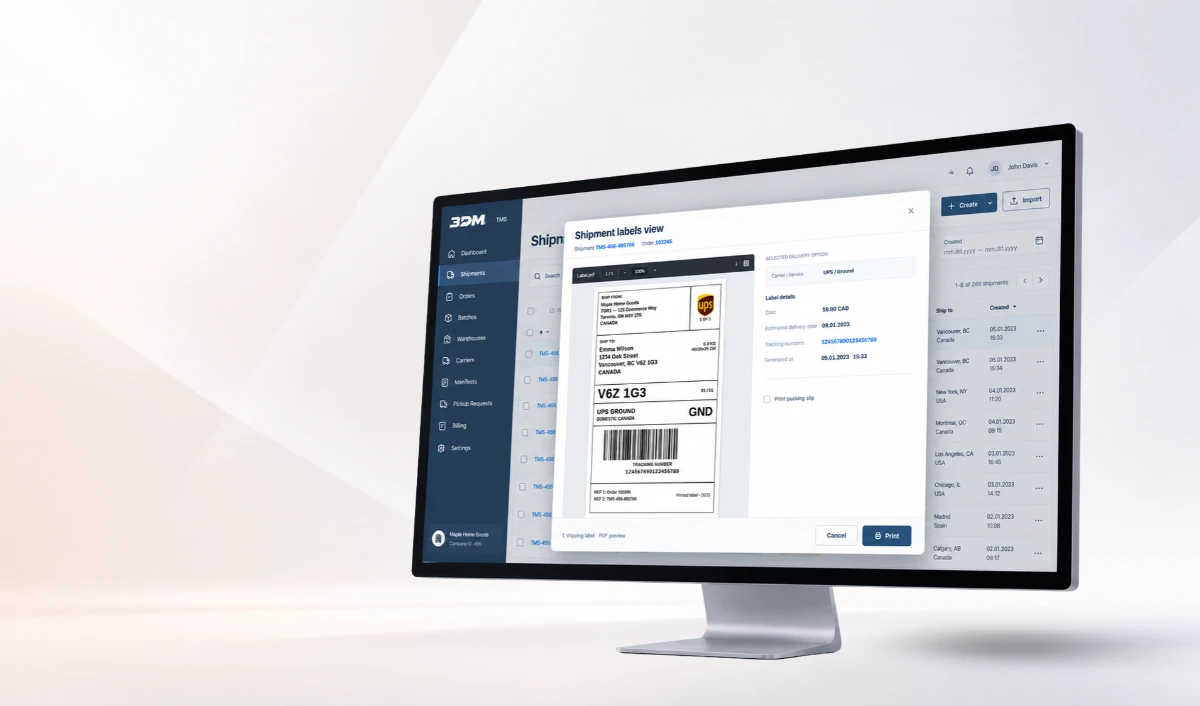
A web-based TMS that combined multi-carrier workflows and eCommerce order data so teams could manage dispatch and shipment tracking in one place.
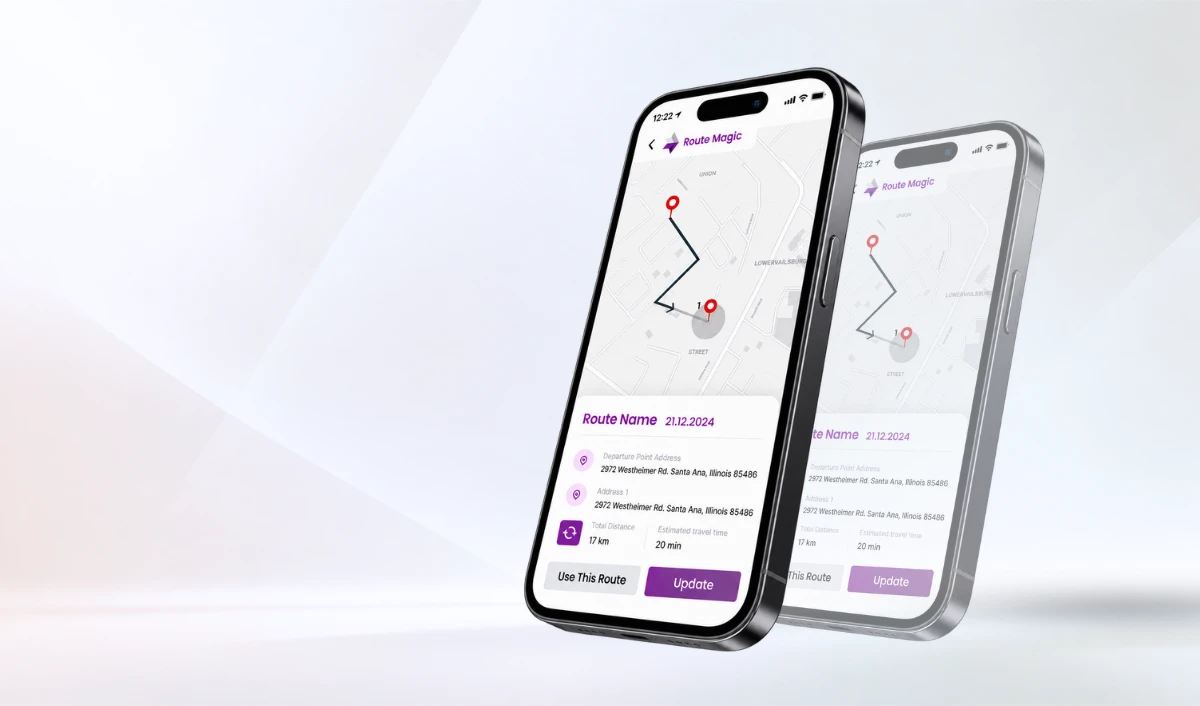
A mobile app for planning and viewing multi-stop delivery routes on a map, with route summaries and saved routes for easy reuse.
We first look at how your current system supports day-to-day work and where it falls short. If it can be improved or extended, we keep what works and focus on what is missing. We recommend a new solution only when the current system cannot support what you need.
This depends on the access and data available. We review the system first and explain what can be connected, any limitations, and whether another way to exchange data is needed.
Cost and timeline depend on the workflows involved, business rules, integrations, data migration, and what needs to be included in the first release. We review these factors before proposing the scope and development plan.
If data needs to be migrated, we first review what should be moved and check its quality and structure. We agree on how the migrated data will be tested and whether the new solution should be introduced in stages to limit disruption to daily operations. The exact approach is defined for each project.
After final delivery, a 30-day warranty covers defects within the agreed scope. Separate support plans are available for monitoring, maintenance, and fixes.
At completion, you receive the source code and the rights set out in the agreement. The live system runs in your environment, and third-party services use your company accounts where providers allow it.